Bootlegger Briefs
When America went dry

The Prohibition Era began with the passage of the Volstead Act (formally called the National Prohibition Act) in October 1919. It was designed to enforce the Eighteenth Amendment, which prohibited the manufacture, distribution, and sale of alcohol. The law went into effect nationwide in January 1920, but before then, many states had already gone “dry.” Ohio was among them.
Groups like the Anti-Saloon League and the Women’s Christian Temperance Union worked for decades to outlaw liquor. The head of the League helped to write both the Volstead Act and the Eighteenth Amendment. Members of both groups and their supporters blamed alcohol consumption for many of society’s ills. While Prohibition was supposed to eliminate issues like domestic violence, poverty, crime, and child neglect, it had unintended negative consequences.
As brewers, distillers, distributors, and barkeepers went out of business, the overall economy suffered. Estimates suggest the government lost about $11 billion in taxes during Prohibition (1920-1933) and spent over $300 million to enforce it. Job losses also occurred.
Probably the worst side effect of Prohibition was the rise of organized crime. Although gangsters existed before 1920, they proliferated afterward. Their major initiatives revolved around bootlegging—the manufacture, distribution, and sale of liquor. Many gangsters brought alcohol into the country from places where it remained legal. The Caribbean islands, Mexico, and Canada were the primary sources.
Growing up near Toledo, I’ve heard many tales of alcohol smuggling across Lake Erie and across the Detroit River into the city and down to Northwest Ohio. Many gangs flourished in both Detroit and Toledo. The competition among them often led to violence.
One particularly infamous gang war raged between John Kennedy, a Toledo bootlegger and speakeasy owner, and the Purple Gang, a group that controlled the illicit liquor trade in Detroit. An associate of the Purples, Thomas “Yonnie” Licavoli, went to Toledo to wrest control of the city’s organized crime. The Licavoli gang targeted Kennedy, a local boy, who refused to cave in. In 1932, his girlfriend, Louise Bell, was murdered when an attempt was made on Kennedy’s life. He was gunned down a year later, only months before Prohibition ended. In 1934, Yonnie Licavoli was found guilty of complicity in the killing and two other murders. Although he was sentenced to life in prison. Licavoli was paroled in the 1970s.
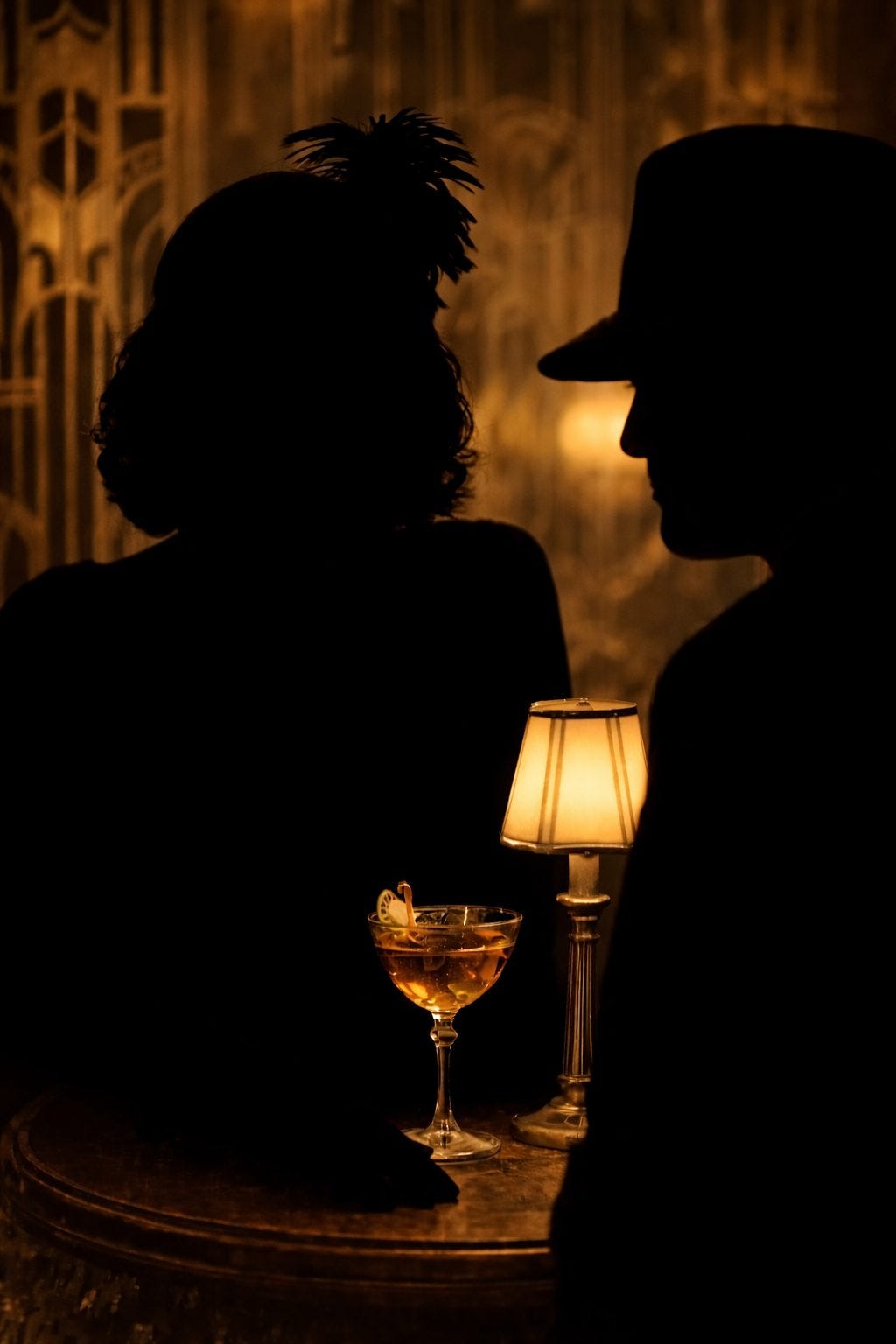
Many bootleggers also ran speakeasies, which hold a special lore of their own. Flappers, gambling, dancing, and—of course—liquor highlighted the experience at those saloons.
When I wrote The Surly Secretary, book eight in my Doro Banyon series, I sent Doro undercover with her Prohibition agent fiancé. They infiltrate a fictional bootlegging gang, but I used facts about speakeasies to create a realistic environment. At the end of that book, I include two recipes for mocktails since that is what Doro and her sweetheart were secretly served by a fellow agent who played bartender at the bar. In reality, Prohis (the derogatory nickname for Prohibition agents) sometimes had to drink liquor to maintain their covers.
Cocktails became even more popular during the Roaring Twenties. Part of the reason was that adding juices covered the bad taste of bathtub booze. Why was “bathtub” in the nickname? The containers used to bottle homemade liquor were usually too tall to fit under a kitchen sink faucet, so people used their bathtubs. Often, this illicitly produced alcohol was tainted, which led to serious health consequences, including death.
Many Midwestern cities hold memories of the Prohibition Era, which makes it a rich period for historical mysteries. In coming months, I will go more in-depth about how Prohibition affected almost all Americans, the overall culture, the wide-ranging consequences, and the Roaring Twenties mystique that is still with us
.